
.svg)
Auction Insights with Artisio
Dive into our blog for expert insights, tips, and the latest trends in the auction industry. Let Artisio guide your journey in the dynamic world of auctions.

How to grow without hiring: scaling your auction volume
Auction volume can rise faster than headcount can sensibly follow. More consignments bring more lots to catalogue, more bidders to manage, more invoices to issue and more stock to move. When each additional sale also creates another layer of administration, growth quickly becomes expensive.
Before expanding the team, look closely at the work itself. Many auction businesses can create significant extra capacity by simplifying the systems they use, automating repeatable processes and connecting the technology already supporting the operation.
The goal is straightforward: allow experienced people to manage more activity without asking them to work harder simply because the business is busier.
1. Streamline before you scale
Growth becomes difficult when employees spend increasing amounts of time keeping several disconnected systems aligned.
A catalogue amendment may need to be entered twice. Finance may need to export information before they can issue an invoice. Inventory data may sit somewhere separate from client and sale records. Each workaround seems manageable on its own, but multiplied across hundreds or thousands of lots, it creates a substantial operational burden.
Julien’s Auctions provides a useful example. As its auction calendar expanded, different systems were supporting different parts of the business, alongside spreadsheet workarounds and repeated data entry. By bringing core processes into Artisio, Julien’s moved from four systems to one central auction management platform.
The impact went beyond simplifying its technology stack. The team reported faster invoicing, much quicker warehouse searches and greater capacity to handle an increasing auction schedule without expanding finance and warehouse headcount at the same rate.
You can read the full Julien’s Auctions case study to see how that transformation worked in practice.
2. Make routine processes run automatically
A useful exercise for any auction business is to map every point where somebody performs the same action repeatedly.
Ask where staff are copying information, creating the same documents, checking routine statuses, moving data between platforms or completing predictable steps for every lot or client.
Then decide whether that action could be handled through a rule, template, automated workflow or customer portal.
REA Group provides a practical example. Its recurring auction model required the same inventory and processes to be used across successive campaigns. Working with Artisio, reusable inventory and automated workflows through APIs and webhooks reduced the need to recreate and update auctions manually, freeing its sales support team to focus on higher-value work.
You can see how this works in the REA Group case study.
There are similar opportunities throughout the auction cycle. Batch lot creation can reduce catalogue preparation time. Automated invoicing and settlement generation can accelerate post-sale administration. Buyer and vendor documents can be generated from information already held in the system. Payment status can update centrally, while customer-facing portals give clients direct access to invoices, settlements and transaction information.
These improvements matter most at scale. Saving a few minutes on one lot feels modest. Saving those same minutes across every lot in a busy auction calendar creates meaningful additional capacity.
Human judgement remains central where expertise carries genuine value, including authentication, valuation, high-value curation, unusual client requirements and disputes. Technology can handle much of the volume around those decisions.
3. Let information move without somebody carrying it
Integration is another major source of capacity.
You may already have good individual systems for accounting, payments, digital signatures, marketing or online bidding. Productivity suffers though when employees become responsible for moving information between them.
Artisio is 100% API-based, allowing auction businesses to connect the platform with third-party tools and services that support their operation. Data can move between systems without repeated exports, uploads and manual reconciliation.
For a busy team, this can remove dozens of small interventions from a working day. A catalogue update can reach the appropriate bidding environment, financial information can connect with accounting processes, and client activity can support marketing and CRM workflows without rebuilding the same data elsewhere.
Open API infrastructure also gives the business more freedom as its requirements change. New services can be added around a central auction platform without creating another isolated source of information.
4. Reduce the hidden cost of software support
Scaling creates another demand on experienced staff that is easy to overlook: helping everyone else use the technology.
New employees need training. Existing users encounter unfamiliar features. Managers answer questions, experienced colleagues are interrupted and support teams handle requests that may have straightforward answers.
Artisio’s AI Agent is designed to reduce that burden. Built directly into the Auction Management Software, it acts as a 24/7 software guide that employees can question in plain language.
A new user can ask how to complete a task. An experienced employee can check how a less familiar feature works. Teams can access guidance on functionality, workflows and best practice as they need it.
This makes knowledge easier to access without constantly drawing on another colleague’s time. Managers can spend less of their day acting as software trainers, while employees can solve routine questions independently and continue with their work.
The value becomes particularly clear as teams grow, responsibilities change or people use more advanced areas of the platform. Training becomes an ongoing, accessible part of the software rather than another recurring demand on internal resources.
5. Use better visibility to manage more activity
Higher volume is easier to manage when everyone can see what requires attention.
Centralised customer information, inventory status, bidding activity, payments and reporting give different departments access to a consistent operational picture. Staff spend less time asking for updates and management has clearer visibility of where intervention is actually needed.
That visibility also helps teams prioritise.
Client and bidding data can identify valuable follow-up opportunities. Payment reporting can direct finance towards outstanding accounts. Inventory records can show exactly where an item sits. Managers can identify exceptions while routine activity continues through automated workflows.
As volume increases, exception-based working becomes increasingly valuable. People focus on the cases requiring judgement rather than manually supervising every standard transaction.
6. Measure capacity before adding headcount
A growing auction calendar will sometimes require new people. But the important question is whether the workload genuinely requires another role or whether inefficient processes are consuming the capacity already available.
Before recruiting, measure a few practical areas:
- how long it takes to prepare and publish a sale
- how much information is entered more than once
- how quickly invoices are issued after an auction
- how much staff time goes into locating stock or checking statuses
- how many routine workflow questions are escalated to colleagues
- how often information needs to be manually transferred between systems
These are often the places where technology can release capacity fastest.
The result can be more auctions processed by the same team, shorter turnaround times and lower administrative cost per sale. It also gives employees more room for the activities that contribute directly to growth: developing consignments, strengthening bidder relationships, researching specialist markets and delivering successful sales.
Enjoy the perks of a future-proof system
Scaling efficiently also depends on what happens next.
Artisio’s evergreen technology infrastructure has been designed to be scalable and feature-rich, giving auction businesses a platform that can continue developing as their requirements and the industry evolve. New capabilities, including intelligent assistance and wider integrations, can become part of the same connected environment rather than another separate layer for teams to manage.
That gives businesses greater confidence when increasing auction volume, entering new markets or introducing different ways of working.
Artisio helps remove manual actions and frees up resources to focus on business goals. With automation, centralised operations, open API connectivity and technology that continues to evolve, teams can spend more of their time where their knowledge has the greatest commercial impact.
Artisio. The ultimate engine for your auction business.

How to build a tech-savvy, high-performing auction team?
Modern auction technology can change far more than the systems a business uses. It changes how people spend their working day, where specialist expertise is applied and how confidently teams handle a growing volume of auctions.
Building a tech-savvy auction team does not require recruiting a workforce of technology specialists or redesigning the entire organisation. The opportunity lies in how existing teams use modern software. Technology success shows up when the same expertise can manage more lots, clients and sales with fewer manual handovers, fewer errors and clearer ownership of each process.
1. Give expertise more room to work
Auction businesses employ people for their knowledge. A fine art specialist brings judgement to attribution, provenance and valuation. An industrial auctioneer understands assets, buyers and commercial demand. Finance teams protect accurate settlements and client money, while operations teams know how to keep stock moving safely through the business.
Technology gives that expertise greater leverage by taking routine administration out of the working day.
Asana’s Work Innovation Lab, in its 2024 State of Work Innovation report, found that 53% of working time was spent on "busywork", including searching for information, checking task status and communicating about work, based on research with more than 13,000 knowledge workers across six countries.1
For an auction business, the equivalent can be checking whether a catalogue amendment reached the website, locating the latest consignor terms, managing client contracts, confirming an invoice status or transferring information between departments.
Reducing those steps creates more capacity for consignment development, bidder engagement, specialist research and strategic selling, the work that relies on people and contributes directly to business growth.
2. Build workflows people can trust
A productive team needs confidence in the information in front of them.
When inventory, client records, bidding, finance and reporting sit across separate systems, employees often become the link between them. They compare records, investigate discrepancies and ask colleagues which version is current.
The Gartner October 2025 research report, identifies fragmented technology, inconsistent workflows and low technology adoption as sources of digital friction that can erode workforce productivity.2
Connected auction technology reduces that friction by allowing information to follow the sale through the business.
Consider a catalogue correction made shortly before an auction. An authorised amendment can update the relevant record and flow through to the customer-facing channel without creating another chain of spreadsheets, emails and manual checks.
Clear workflows also improve visibility. Staff can see where an item is located, whether an approval is outstanding, whether a buyer has paid and which action comes next. That clarity reduces frustration and helps employees concentrate on the part of the process they are responsible for.
3. Reduce errors by reducing repeated data entry
Efficiency also has an accuracy benefit. Every time information is copied manually between systems, another opportunity for a discrepancy appears. A revised reserve, client address, invoice status or catalogue description can be correct in one place and outdated somewhere else.
Connected workflows reduce the number of times information needs to be entered or amended. Permissions, approval processes and audit histories also give teams greater control over who can make changes and what has already happened.
For employees, this means less time spent finding and correcting mistakes. For management, it provides greater confidence in operational data and helps strengthen security and accountability across the business.
4. Automate the volume around specialist decisions
Some of the biggest productivity opportunities sit in repeatable tasks performed hundreds or thousands of times across a year.
Cataloguing provides a good example. Batch lot creation, image handling, categories and reusable templates can speed up catalogue preparation while specialists retain responsibility for descriptions, estimates and final approval.
Inventory offers another. Artisio’s QR-based inventory management helps teams identify and move stock between locations while keeping the item record current. In a high-volume industrial sale, that can significantly simplify warehouse operations. In the case of a fine art business, specialists and operations teams gain clearer visibility as objects move between consignment desk, valuation, storage, photography and the saleroom. You can see more practical examples in our guide to how Artisio takes the stress out of auction inventory management.
The same principle applies after the hammer. Approved sale information can feed into automated invoice and settlement generation, payment status and reporting, reducing the repetitive processing required from finance.
Applied across every lot, sale and client, small workflow improvements can release substantial capacity.
5. Turn auction data into action for your team
Modern technology can also help employees decide where their attention will create the greatest value.
A connected client record gives sales and marketing teams access to buying history, bidding behaviour, underbidders, spend and areas of interest. Consignor activity can be viewed alongside wider client relationships, while reporting gives management clearer visibility of sales, payments and operational performance.
A specialist preparing a collectables sale can identify previous bidders in that category. A business-development team can see which consignors have been active across several departments. Marketing can build more relevant campaigns around genuine interests, while senior management can identify where resources or follow-up are most likely to produce value.
So, the software organises and surfaces the information, and the employees apply their experience to decide what happens next.
6. Build capacity before adding complexity
Higher auction volumes often create pressure to add people because existing teams are already stretched. Technology gives management another lever: simplify the processes consuming that capacity first.
Microsoft’s 2025 Annual Work Trend Index found that 80% of the global workforce reported lacking the time or energy to do their work, while 53% of leaders said productivity needed to increase.3
For an auction business, productivity gains can come from removing duplicated entry, reducing manual checks, automating routine approvals and giving employees one reliable view of the information they need.
This approach also supports morale. Employees spend less time compensating for gaps between systems and more time working within their actual areas of expertise. As auction activity grows, teams can absorb more volume without allowing administrative complexity to grow at the same pace.
7. Give your team better tools for better auctions
High-performing auction teams combine specialist knowledge with technology that makes that knowledge easier to apply.
Artisio brings auction management, inventory, cataloguing, bidding, client management, payments and reporting into a scalable platform, with open API infrastructure for connecting the wider systems an auction business chooses to use.
Automation handles repeatable processes, centralised data gives teams clearer visibility, and our technology specialists and auction industry experts support businesses as they develop more efficient ways of working.
The outcome is a team with greater capacity, fewer avoidable errors and more time for the client relationships, expertise and commercial decisions that drive an auction business forward. Find out more about how Artisio can improve your auction management today by booking a demo.
Artisio. The ultimate engine for your auction business.
Frequently asked questions
- What makes an auction team tech-savvy?
A tech-savvy auction team uses connected technology confidently across everyday workflows, with automation handling repeatable administration and employees applying their expertise to decisions, clients and sales.
- Which auction tasks are best suited to automation?
High-volume processes such as inventory tracking, batch lot creation, catalogue publishing, routine communications, invoicing, settlements, payment updates and reporting are strong candidates for automation.
- Can technology reduce errors in an auction business?
Connected workflows reduce repeated data entry and discrepancies between systems, while permissions, approvals and audit histories provide greater control over operational information.
- How does Artisio support auction teams?
Artisio connects core auction workflows within one platform and provides automation, reporting, client data and integrations designed specifically for auction businesses.
Sources:
1 Asana Work Innovation Lab, State of Work Innovation
2 Gartner, Establish a DEX Management Office to Overcome Digital Friction, 9 October 2025
3 Microsoft, 2025 Annual Work Trend Index

From inventory to hammer: mapping the fully automated auction journey
Every auction creates a chain of decisions, data and handovers. A fully automated journey connects consignment, inventory, cataloguing, marketing, bidding, settlement and fulfilment, allowing approved information to move forward without repeated entry.
In this article, Artisio’s technology specialists and auction industry experts share practical knowledge drawn from working with leading auction houses. Through the series, we aim to help auction businesses improve their processes and progress towards our vision: to lead the Auction Industry on to the next level of technology.
A January 2025 study by Jiarun Gao of the University of Rochester describes the auction process as a structured sequence from consignor intake and catalogue preparation through bidding, payment and delivery. The research examines how technological innovation can improve transaction efficiency, extend market reach and strengthen customer experience.1
The practical aim is continuity. Specialists retain control of valuation, provenance, condition and compliance, while software carries accurate information through the administrative stages around them. A well-mapped journey can shorten preparation time, reduce avoidable errors and release capacity for client service and business growth.
Start with a durable inventory record
For end-to-end continuity, automation needs to begin when an item enters the business. Vendor details, images, supporting documents, location, condition and sale status should sit against one lasting inventory record.
A unique identifier or QR code gives teams a reliable way to locate and update the item as it moves through valuation, storage, cataloguing, viewing, sale and dispatch. Information recorded during intake can then support every later stage without being retyped into separate spreadsheets or systems.
The information required varies considerably by sector. Fine art and antiques will often require more handling on an object-by-object basis. Each item is carefully appraised or valued by auction specialists and members of their team. This means items will move between hands and locations, so tracking becomes essential. Records of valuations need to be kept and attached to client records for future reference.
In the collectables field, professionals work with much higher volumes and multiples of items (stamps, coins, memorabilia and collectors’ cards), where single consignment collections will need to be appraised and often broken down into smaller batches or even single-item lots for sale. This means that tracking consignments in terms of location is essential, as is ensuring that each individual item can still be attributed and tracked back to the original consignment and owner.
For industrial and commercial auction businesses, the process of asset management needs to be quick, accurate and efficient, as sales often occur weekly and turnaround times between them are short. Commercial vehicle sales, including classic cars, also require various levels of due diligence to be undertaken; Artisio is able to support HPI checks by third-party providers to record and store VIN/chassis data, avoiding future hidden legal or financial problems attributed to stock.
Mobile lotting can help specialists capture information during valuation visits, warehouse inspections or collection appointments. Batch imports are useful for high-volume sales, while manual entry remains appropriate for rare, complex or highly individual items.
Automate cataloguing and support better valuation
Catalogue preparation frequently absorbs more time than expected because descriptions, images and item details are moved between inventory sheets, image folders, working catalogues and customer-facing websites.
A structured workflow allows approved inventory data to feed directly into the lot record. Categories, tags and templates help teams organise information consistently. Images can be attached in bulk, lots assigned manually or through batch and QR-assisted processes, and custom sequences used to control sale order and grouping.
Technology can also assist the early stages of valuation. Historical results, structured product data and image-recognition tools can help specialists locate comparisons, prepare initial descriptions and identify information requiring closer review. Industry analysis has highlighted the growing use of artificial intelligence to support price evaluation and personalisation within the auction sector.2
Professional judgement remains essential. A specialist should approve the attribution, description, estimate, reserve, condition and supporting evidence before publication.
The balance between automation and expert review changes by sector. Collectables benefit from consistent fields and established grading references. Fine art, classic cars, wine and whisky require greater attention to authenticity, title, provenance and condition. Often, third parties may be brought in to verify the provenance or authenticity of an item and/or offer an expert appraisal for insurance purposes. Being able to manage third-party appraisals professionally and discreetly as part of the service offered to clients is essential. Working with legal firms and solicitors, and managing estates and inheritance, are also critical aspects of consignment, requiring accurate document handling for multiple and separate parties.
Industrial sales gain speed from bulk capture across similar assets. Consignments will arrive in bulk and will need to be processed and managed within a busy warehouse or outside yard environment. Internal and external client records need to match consignment documents and then need to be stored within the system.
Expand the buyer base
Once the catalogue is prepared, the same structured data can help an auction house reach a wider and more relevant audience.
Online and hybrid sales give bidders access beyond the physical saleroom. A 2026 peer-reviewed study of hybrid fine art and antiques auctions found that auction teams adapted their working practices to coordinate remote and in-room bids within a shared bidding environment. The research also found that this approach can reduce differences between remote and physically present bidders and encourage participation.3
This broader access is relevant across auction sectors. A fine art collector can participate in an overseas sale without travelling. For larger-value items, buyers can choose to place absentee bids or participate remotely via telephone bids, depending on their discretion and preference. Buyers of industrial and commercial equipment can bid on equipment located at several sites. Bids can also be placed dynamically on multiple concurrent lots at the same sale. Wine sales can attract international buyers searching for a particular item, producer or vintage. They may choose to option a case of wine or break down the lot and buy individual bottles from the batch. All scenarios can be catered for as part of a dynamic sales platform.
Use intelligent marketing and customer targeting
A completed catalogue is also a valuable marketing resource. Categories, tags, estimates, client interests and previous bidding activity can guide how each sale is promoted.
Capturing client and buyer insights is now an essential part of running an auction business. All verticals benefit from preference management and understanding buyer habits and consignment history. Fine art auctions might identify potential buyers who follow a particular artist, school or period. A collectables specialist can segment buyers by specific category or grade. Industrial auctioneers may target audiences based on a project being planned or a job being tendered for, or simply by equipment type, sector and geography.
Classic-car campaigns can reflect interest in particular marques, eras or vehicle types. Wine and whisky buyers can be grouped around regions, producers, distilleries, vintages or price ranges.
Automation allows these signals to inform relevant communications before and during the sale. Catalogue information can be published to the auction house website or branded customer area, while marketing systems receive selected data through integrations.
Client responses can then feed back into the customer record. Registrations, enquiries, bids, underbids and purchases provide useful information for future sales and consignor discussions.
The quality of the underlying data determines how useful this targeting becomes. Consistent categories, accurate client permissions and well-maintained records give marketing teams a stronger basis for planning campaigns.
Configure the sale and publish with control
Sale creation brings together the catalogue, commercial rules and customer presentation. The system should carry forward approved information and apply the selected auction type, dates, languages, currencies, commissions and bidding increments.
Timed, live and hybrid auctions require different settings, while the underlying catalogue and client information should remain consistent. Push-and-publish tools can send an approved sale to the auction house website, branded Web-App or bidding platform.
API connections can also support specialist marketplaces, accounting systems, payment providers, marketing services and other third-party tools used by the business.
This stage provides an important review point. Teams can check estimates, reserves, lot order, imagery, terms, bidding increments and communications before publication. Any authorised updates should reach the relevant customer-facing channel promptly, giving staff and bidders access to the same current information.
Keep sale-day information moving in real time
During the auction, technology must support the pace and judgement of the auctioneer and sale-day team.
Room, online, telephone and commission bids need to reach the clerking environment in the correct order. Current hammer totals, bidder activity and lot status should remain visible as the sale progresses.
Real-time synchronisation between the bidding platform and the back office removes the need to recreate results after each lot. It also helps staff coordinate the different bidding channels and respond quickly when an account or bid requires attention.
The system should surface exceptions such as pending bidder approval, deposit requirements or account restrictions. Staff can then focus on decisions, bidder enquiries and customer support while routine information continues moving through the workflow.
Carry the hammer result into settlement
Once the hammer falls, the result should flow directly into the financial process.
Buyer’s premiums, taxes, additional charges and vendor commissions can be calculated using the approved sale and client settings, followed by automated invoice and settlement generation.
Finance teams may choose to approve invoices and vendor settlements before customers can view them. Approved documents can then be distributed in bulk or individually, and secure payment links can help successful bidders settle their accounts promptly.
Payment status, transaction history and vendor pay-outs should remain attached to the relevant client, lot and sale records. This gives finance and customer-service teams a clearer view of outstanding balances and reduces the time spent reconciling separate sources. Buyers and consignors can then also receive faster access to the documents and financial information relevant to them.
Improve operational efficiency with smart logistics
The journey continues after settlement. Collection and dispatch teams need access to the same item, payment and location information used by finance and client services.
QR-based inventory tracking can record the movement of an item from storage to viewing, saleroom, collection point or dispatch area. Collection permissions can be linked to payment status, helping staff verify that an item is ready for release.
Industrial auctions may involve hundreds of assets spread across a large site, making precise location records and scheduled collection particularly important. Commercial vehicle or classic-car auctioneers need organised handovers for vehicles, keys and ownership documents. There may also be vehicle history checks and licensing issues to be aware of before dispatch.
Fine art and antiques require handling, packing and collection instructions that reflect the condition and value of each item. A growing number of auction businesses process shipping in-house, but many more rely on a trusted third-party shipper to manage the logistics. Communication between both parties is essential to ensure correct shipping procedures are followed and fees and delivery expectations are communicated and managed with the client. Wine and whisky sales follow a similar structure and depend on exact bottle and case identification throughout storage, picking and release.
A clear fulfilment record also helps staff respond to customer enquiries and identify items that remain in storage after a sale.
Map the handovers before choosing what to automate
A practical automation review can begin by following one lot through a recently completed sale.
Record every point where a team member:
- enters information already held elsewhere
- transfers details through a spreadsheet
- waits for approval or confirmation
- searches for the latest document or image
- manually updates another system
- contacts a colleague to confirm an item’s status
These handovers often reveal the strongest opportunities for improvement.
Auction houses can measure progress through catalogue preparation time, manual actions per lot, time from hammer to invoice, payment follow-up and collection turnaround. These measures help identify where automation is creating value and where further changes could save time or cost.
The objective is a clear operational map in which information moves forward once it has been captured, checked and approved.
Building an auction journey that supports growth
From initial inventory intake through to fulfilment, automation creates a continuous operational record. Teams gain more time for specialist research, consignor relationships, buyer engagement and sale strategy.
- Artisio brings inventory management, catalogue and auction creation, online bidding, client management, payments, reporting and Web-App services into a scalable auction platform. Open API infrastructure also allows auction businesses to connect the wider tools and service providers they choose to use.
To see how these capabilities work together, explore our Auction Management Software, Timed Auction Software, Web-App and integrations.
By removing manual actions and keeping information connected throughout the auction journey, Artisio helps teams save time, reduce costs and free up resources to focus on business goals. Our team combines leading technology specialists and auction industry experts who understand your business needs and can support every stage of the auction process.
Artisio. The ultimate engine for your auction business.
Frequently asked questions
What is an end-to-end automated auction journey?
It is a connected workflow in which inventory, catalogue, client, bidding, financial and fulfilment information moves through the auction lifecycle without repeated manual entry.
Which parts of an auction can be automated?
Auction houses can automate or streamline intake, lot creation, catalogue publishing, customer communications, bidding data, invoicing, settlements, payments, reporting and inventory movement. Specialist approval remains essential for valuation, provenance, condition, authenticity and compliance.
How does automation help an auction house grow?
Automation shortens administrative cycles, improves data quality and releases staff capacity for sourcing consignments, serving clients, promoting sales and developing the business.
Sources
1 Jiarun Gao, Exploration of Technological Innovation and Market Strategy of Auction Houses, Communications in Humanities Research, January 2025. (ResearchGate)
2 5 Exciting Technologies that are Shaping the Future of the Auction Business, October 2023.
3 Sylvaine Tuncer, Christian Heath and Paul Luff, Adapting practices in digital transformation: A video-based, sociomaterial study of hybrid art auctions, Information and Organization, June 2026. (ScienceDirect)

Why auction-specific software beats generic tech every time
Auctions are competitive, time-sensitive events with their own rules and workflows, and the software that supports them should not be built solely around transactions.
Bidders may place proxy bids, bid in the final seconds, or compete across multiple channels at once. Reserve prices, bid increments, soft-close extensions and live auction activity all need to run cleanly and consistently. Generic commerce platforms are built for fixed prices and standard checkout journeys, so auction mechanics often have to be added afterwards through custom development. That approach can create unnecessary complexity in exactly the part of the business where timing and accuracy matter most.
The same applies after the sale. Auction businesses need to calculate buyer’s premiums, taxes, consignor commissions and shipping (import/export fees), then generate invoices and settlements against the correct lots and clients. Auction-specific platforms are designed for that workflow from the outset. Generic tools usually need manual workarounds or custom logic that has to be maintained over time.
The structure of auction data also matters. Lots carry condition reports, multiple images, provenance notes, catalogue numbers and post-sale history. That information needs to move through cataloguing, bidding, invoicing and reporting without becoming fragmented. A purpose-built auction platform handles this much more naturally than a generic database or retail system.
Customer data is another major issue. When bidder and seller information flows through a third-party marketplace or a generic external platform, the auction house can lose visibility and control over one of its most valuable assets: the client relationship. A National Auction Association (NAA) white paper found that 70.4% of surveyed members relied on a third-party vendor to manage auction bidder, sales or seller information, while only 55.4% understood how that vendor handled the information. The same white paper reported lower confidence on questions around direct user agreements and vendor behaviour. That matters because bidder trust, consignor loyalty and brand recognition are central to long-term growth.
Generic platforms also tend to create a poor balance between breadth and depth. Auction businesses pay for a wide set of features aimed at many kinds of customers, while still missing the auction-specific functionality they need every day. The result is familiar: broad software on one side, manual patchwork on the other. Zylo’s 2025 SaaS Management Index found that organisations waste an average of $21 million a year on unused SaaS licences, with per-employee SaaS spend reaching $4,830. The wider lesson is highly relevant for auction businesses. Paying for unused capability while still carrying the cost of missing workflow depth is rarely efficient.
The biggest cost often sits outside the licence fee. It builds quietly in staff hours spent re-entering bidder information, checking buyer’s premiums, reconciling consignor payouts and switching between disconnected systems. Those hours drain time, add risk and absorb resources that could be invested in winning more consignments, marketing more effectively and improving the buyer journey. Savings in time and cost do more than improve efficiency; they create capacity for growth.
That is where auction-specific software has a clear advantage. A platform designed for the auction process gives the business one connected system for cataloguing, bidding, invoicing, payments, settlements, reporting and client management. It brings the workflow together and reduces the operational drag that comes from stitching together generic tools.
Artisio is built specifically for that purpose. As a complete auction management software and online bidding platform, it gives auction businesses a centralised system to run online auctions and manage back-office activity from one place. Timed auctions, live and hybrid workflows, inventory, financials, reporting, CRM activity and Web-App functionality all sit inside the same environment. That helps auction houses reduce manual work, improve visibility and keep every stage of the process moving more smoothly.
Artisio also gives businesses the flexibility to connect with the wider tools they rely on. Through open API infrastructure, you can synchronise data and workflows with payment providers, accounting software, external marketing tools and private or marketplace bidding platforms. This makes it easier to support growth without losing control of the core operation. McKinsey has highlighted the value of APIs in reducing integration friction, improving agility and helping organisations modernise without carrying unnecessary complexity across the whole stack.
For auction businesses, the commercial case is straightforward. Auction-specific software protects customer relationships, supports cleaner settlements, reduces manual admin and gives teams more time to focus on growth. With Artisio, auction houses can experience unparalleled efficiency, as our team combines leading technology specialists and auction industry experts who understand your business needs and can support every stage of the auction process, including tailored and scalable solutions for your buyers and sellers.
Generic tools may look convenient at first glance, but auction businesses need software that understands the pace, complexity and commercial demands of auctions. That is where tailored technology delivers lasting value.
Discover more about how Artisio can support your auction business by booking a demo today.
FAQ
Why is auction-specific software better than generic tools?
Auction-specific software supports bidding rules, lot-level financials, consignor settlements, auction reporting and client workflows within one system. Generic tools usually require manual workarounds or custom development.
Why does data ownership matter in auctions?
Bidder and consignor relationships are central to repeat business, trust and long-term brand value. Auction houses benefit from keeping that data and customer relationship inside the business.
How does Artisio help auction businesses grow?
Artisio reduces manual work, improves operational efficiency and gives teams a centralised platform for online auctions and back-office management. That creates more time, clearer data and more opportunity to focus on growth.
Sources
National Auction Association, The Auctioneer Magazine Archives, 17 August 2021
Zylo, 2025 SaaS Management Index Reveals First Increase in SaaS Spend Since 2021
McKinsey & Company, APIs in banking: From tech essential to business priority
McKinsey & Company, Reducing data costs without jeopardizing growth

What bidders and consignors expect from a modern auction experience
A modern auction experience is shaped long before the sale begins and continues well after it ends. Buyers want the same ease, speed and transparency they are used to in everyday digital transactions. Consignors expect clear communication, reliable reporting and confidence that their property is being managed professionally from intake to settlement. For auction houses, meeting those expectations has become a commercial priority.
That challenge is growing more urgent because many auction businesses are still working with outdated software. In many cases, the system still functions at a basic level, yet it struggles to support moderne-commerce, connected marketing, joined-up customer journeys and meaningful data use. As a result, information often sits across multiple platforms, reporting becomes harder, and teams spend valuable time moving between systems instead of serving clients and growing the business.
A more modern, connected auction management platform changes that. It helps auction houses deliver better experiences for bidders and consignors while also giving internal teams the tools to operate more efficiently, understand their data more clearly and compete more effectively for future business.
Why expectations have changed
The auction sector now sits alongside a much wider digital economy. Buyers are used to smooth online journeys in retail, travel, banking and entertainment. They expect the same clarity and responsiveness when they register for a sale, place bids, make payments or arrange shipping. Consignors bring a similar perspective. They want up-to-date information, clear processes and confidence that the auction house will look after them and their sale item, pre- and post-sale, understanding their commercial goals and finally providing the perfect marketing platform for their lot.
This is where legacy systems often fall short. Many older auction software platforms were built for a more operationally narrow world. They were never designed to connect seamlessly with modern online payment providers, external marketing platforms, data analysis tools or more advanced client relationship management. Some providers have been slow to invest in critical product development. Others have been unable to deliver the level of technical infrastructure that today’s auction businesses require.
That leaves auction houses with a serious gap between client expectations and operational reality.
What bidders expect from a modern auction experience
• Convenience and flexibility
Bidders expect it to be simple and intuitive to browse lots, register for sales, place bids and complete payment, whether they are using a desktop, tablet or phone. They demand access on their own schedule and the confidence that they can stay connected throughout the sale.
This matters especially in online and timed auctions, where participation depends on ease of use. A bidder should be able to move from discovery to bidding and then to payment without friction. Where that process feels clumsy or fragmented, engagement drops and conversion can suffer.
• Detailed information and transparency
Bidders expect strong catalogue content, high-quality images, clear descriptions and enough detail to make informed decisions. They also want visibility around fees, auction terms, invoice status and what happens once the sale is complete.
Transparency builds trust. It also supports participation. The more clearly buyers understand what they are bidding on and how the process works, the more confident they feel taking part.
• Certainty and security
Secure payment, clear records and reliable transaction history are essential to a professional bidder journey. Buyers want reassurance that their financial details are handled properly and that they can quickly access invoices, settlements and account information when needed. This expectation now feels standard across digital commerce, and auction houses are judged against that wider benchmark.
• Real-time updates
Bidders value speed and visibility. They want timely confirmation, current bidding information and a clear view of what they have won, what they owe and what comes next. Delays create uncertainty and increase the burden on staff. Real-time information helps maintain momentum and improves the overall customer experience.
• A connected digital journey
For bidders, the strongest auction experiences feel joined up. Catalogue browsing, registration, bidding, invoicing and payment all need to sit within one clear flow. This is where modern technology has a direct commercial impact. A connected platform helps remove manual gaps between stages and makes the buying experience more consistent and more professional.
What consignors expect from a modern auction experience
• Clear communication and confidence from the start
Consignors demand reassurance, professionalism and clarity from the first conversation. They expect a smooth intake process, clear next steps and confidence that their items are being handled with care and attention. They also expect communication that remains consistent throughout the lifecycle of the sale.
That means updates should be easy to access, records should be well organised and the auction house should be able to respond quickly to questions about progress, status and outcomes.
• Visibility into performance and financial outcomes
Consignors increasingly expect detailed progress reporting and easy access to information. They want visibility into sales performance, settlements, payouts and financial documents. They also value confidence that the information they receive is current and reliable.
This expectation is especially important in a competitive market for consignments. Auction houses that can provide timely, transparent reporting are in a stronger position to build trust and win repeat business.
• Professional handling of data and assets
Consignors also expect the auction house to manage their information properly. This includes keeping all records secure, from personal details and lot valuations to images, digital assets and communication history. When these assets are spread across multiple systems, teams lose time and visibility, whilst also increasing security risks and the likelihood of human error. When they are held within a centralised platform, the business becomes easier to manage, more secure and less prone to error, which has been a significant issue for many auction houses operating on outdated software.
• Faster administration and cleaner settlements
Consignors value a smooth back-office process. Settlement handling, accounting and prompt payment are central to the experience. Many mid-sized auction houses first approach Artisio because they need a stronger system for payments and accounting. Larger businesses often need that as well, while also requiring more advanced tools for client relationship management, buyer preference capture and marketing.
In both cases, the underlying need is the same: a more connected operation that reduces manual admin and improves control.
• Ongoing relationship management
Winning consignments has become more competitive, and that means auction houses need a deeper understanding of their clients and their data. Existing relationships matter. New business development matters as well. A modern platform supports both by giving teams better visibility of client history, communication, preferences and outcomes.
That kind of joined-up view is increasingly important for larger auction houses that want to market more effectively, capture buyer preferences and strengthen their client base over time.
Why connected technology matters
Auction houses are under pressure to provide a smoother, more modern experience while also running a more data-driven business behind the scenes. These two goals are closely linked. When systems are connected, teams can manage payments, accounting, marketing, bidding, reporting and client activity more effectively. Data becomes easier to collect, easier to search and easier to use. That supports better decision making. It also supports growth.
This is one reason a cohesive auction management platform matters so much. By creating a modern, connected system, the collection and reporting of data becomes much easier and future business growth is better supported. For example, Artisio’s work with Netherlands based Fine Art auction house Venduehuis, has shown the value of being able to integrate modern cloud software and data analysis tools while also bringing archived inventory photos, images and other digital assets into easier reach.
Why this matters for auction houses of different sizes
For mid-sized auction houses, the priority is often operational clarity. They require software that handles payments, accounting and day-to-day auction workflows more efficiently, without placing extra pressure on small teams covering multiple roles.
For larger auction businesses, the requirement becomes broader. They need solutions that support sophisticated client relationship management, connected marketing, buyer preference capture and a more complete understanding of performance across the business. Buyer intelligence and security around payments and anti-money laundering regulations are also not key concerns at every sale. They also need confidence that their technology partner can continue to invest and evolve at the same pace, supporting their ambitions, in partnership them.
In both cases, the direction of travel is the same. Auction houses need platforms that are easier to connect, easier to use and better equipped to support the next generation of online-enabled clients.
How Artisio supports a modern auction experience
Artisio is built around that need for connection, efficiency and growth. As the ultimate engine for your auction business, Artisio helps streamline the auction process through automation, remove manual actions and free up resources to focus on business goals.
Our auction management software with its online bidding platform, web-app and open API integrations is designed to create a more cohesive experience for both bidders and consignors. That includes stronger payment handling, clearer reporting, connected workflows and a better foundation for future business growth.
A modern auction experience now shapes commercial success
Bidders expect a convenient, transparent and secure journey from first click to final payment. Consignors expect visibility, communication and confidence throughout the lifecycle of a sale. Auction houses that can deliver both are better placed to build trust, improve efficiency and win more business.
For many, that begins with moving beyond outdated software and adopting a more modern, connected platform that can support the expectations of today’s clients and the growth ambitions of tomorrow’s business.
FAQ
What do bidders expect from a modern auction experience?
Bidders expect convenience, flexibility, clear catalogue information, secure payment options, real-time updates and a joined-up digital journey from registration through to settlement.
What do consignors expect from a modern auction experience?
Consignors expect clear communication, reliable reporting, visibility into sales performance and financial outcomes, efficient settlements and confidence that their property and data are being handled professionally.
Why do outdated auction systems create problems for auction houses?
Outdated systems often struggle to connect with modern payments, marketing, CRM and reporting tools. Data can become fragmented across multiple platforms, which makes it harder to be compliant with data protection legislation, gather insight, improve client experience and support business growth.
Why is connected auction software important?
Complete Front-to-Back Auction Management Software helps auction houses manage bidders, consignors, payments, accounting, reporting, CRM and marketing more effectively. It supports cleaner data flow, reduces manual admin and improves visibility across the business regardless of size or scale.
How does Artisio help auction houses deliver a better client experience?
Artisio brings together auction management software, online bidding, web-app functionality, and open API integrations in one connected platform. This helps auction houses deliver a smoother experience for both bidders and consignors while improving operational efficiency and supporting business growth.
How open APIs future-proof your auction business
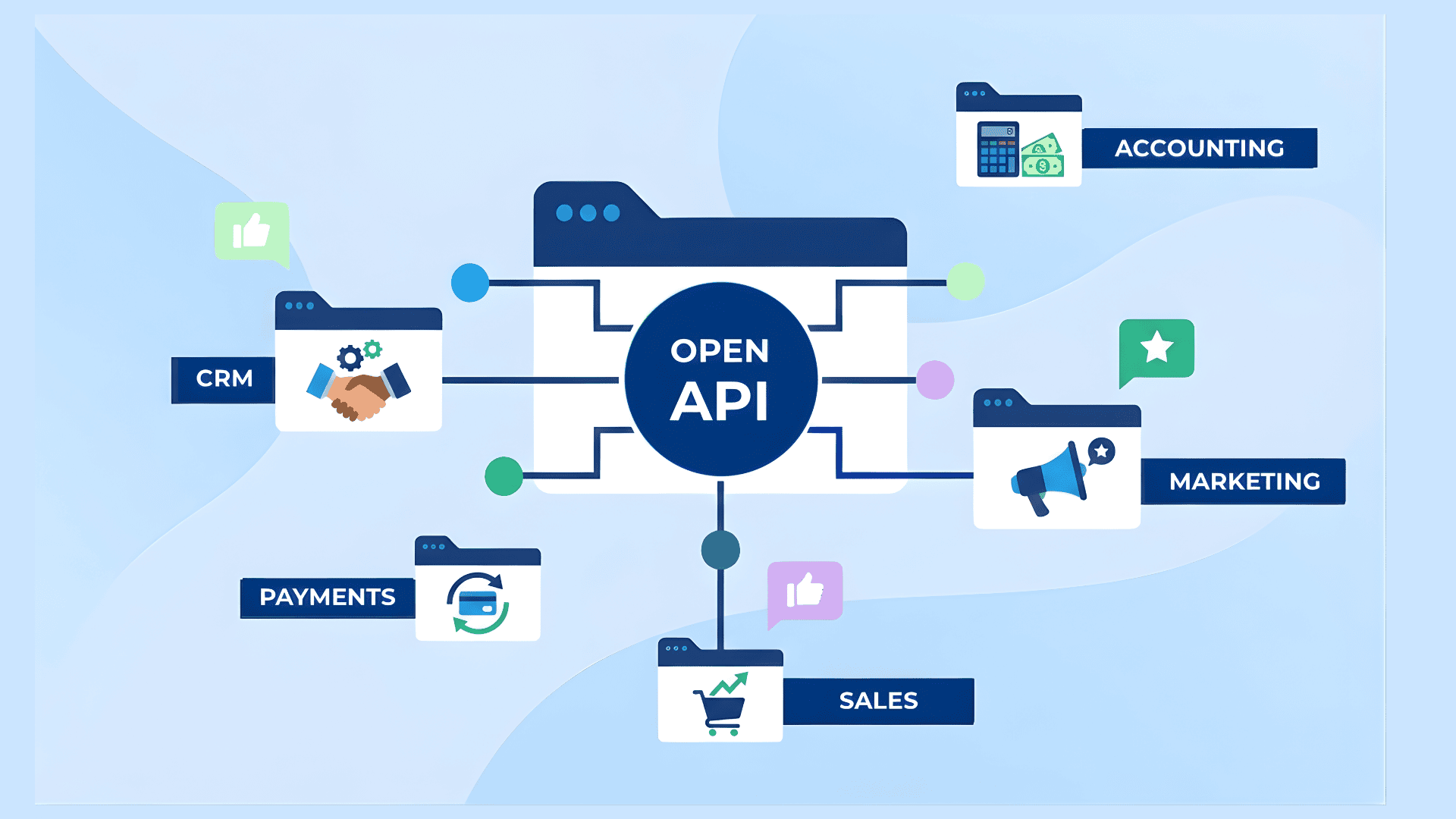
Open APIs help auction houses stay flexible as buyer expectations, channels and software needs change. In practice, they make it easier to connect auction management, payments, accounting, marketing and bidding platforms, so the business can modernise one part of its operation without replacing everything at once. That means less manual rework, lower integration friction and more room to grow with confidence.
Future-proofing your auction business is not about predicting every change in the market. It’s about building an operation that can adapt when change arrives. That matters now because the auction sector is moving again. The Art Basel & UBS Art Market Report 20261 shows that auction market sales returned to growth in 2025, with combined public and private sales rising 6% to $24.8 billion, while public auction sales increased 9%. Digital channels are firmly embedded in how the market works, with online-only sales still accounting for 15% of total art market sales, above pre-pandemic levels. Sotheby’s latest research2 reinforces the same picture: a more selective, quality-driven market, but one with renewed confidence, improving liquidity and stronger sell-through. In that environment, future-proofing is about building the flexibility to respond as the market develops.
That is where open APIs become commercially important.
They are not a trend piece or a technical extra, but one of the clearest ways to make sure an auction house can evolve without creating more operational drag.
What open APIs mean in an auction house
An API, or application programming interface, is a set of rules that allows software applications to communicate with each other. In simple terms, open APIs allow different software systems to exchange data and trigger actions automatically. For an auction business, that could mean synchronising auction management software with eCommerce payment platforms, accounting software, inventory, external marketing automation, CRM, marketplace platforms or private bidding tools.
The strategic value is straightforward: when systems can exchange data cleanly, the business becomes easier to adapt. New partners can be connected faster. Existing tools can be replaced with less disruption. Data can move where it is needed without teams copying it manually from one platform to another.
That matters because most auction houses do not operate through one tool alone. They rely on a stack of systems that supports inventory, vendors, buyers, payments, marketing and reporting. If those systems do not connect properly, growth becomes harder than it needs to be.
Why fragmented systems become a growth problem
Many businesses don’t feel the cost of fragmented systems all at once. They feel it gradually: duplicate entry, inconsistent records, delayed reporting, manual reconciliation and teams spending time moving information between different tools rather than using it.
McKinsey notes that fragmented data repositories can consume 15% to 20% of the average IT budget and create validation headaches, lost time and higher risk of error3. The same research argues that wider use of APIs can put data buried in legacy systems to work without expensive custom workflows. That is an important point for auction houses. The issue isn’t simply whether a system works today; it is whether it makes tomorrow’s change unnecessarily costly.
This is why open APIs are about resilience as much as efficiency. They help businesses reduce dependency on manual workarounds and make change less disruptive when new requirements emerge.
How open APIs future-proof the business
The first benefit is flexibility.
An auction business should be able to add or change a payments provider, connect a different accounting package, introduce new marketing automation or syndicate inventory to additional bidding platforms without rebuilding its whole operating model. Open APIs reduce the switching cost of those decisions and make it easier to modernise one layer of the business at a time. McKinsey’s research on APIs makes the same point in broader terms: APIs reduce IT complexity, improve agility and support reusable, modular functions that can be delivered faster.
The second benefit is speed.
McKinsey also found that almost half of respondents in its API survey expected API efforts to reduce costs by more than 10%, while nearly a third expected revenue gains of more than 10%. The context was banking, but the management lesson is relevant well beyond financial services: when systems are easier to connect, organisations move faster, reduce repetitive work and create more room for new services and commercial opportunities.
The third benefit is consistency.
When data lives across disconnected systems, management slows down. Customer journeys become harder to manage, reporting becomes less reliable and operational changes take longer to implement. Open APIs help preserve continuity by allowing information to flow more consistently across the business. In a sector where client experience, operational accuracy and speed increasingly differentiate one auction house from another, that continuity matters.
Why this matters for auction software selection
This is one reason auction houses should look beyond feature lists when assessing software. A platform may look capable in isolation and still create long-term constraints if it cannot exchange data cleanly with the rest of the business.
Artisio’s approach is built around that principle. Artisio is 100% API-based, with full data exchange capabilities via API. In practical terms, that means functionality and data held within Artisio can be synchronised with third-party software partners that support APIs, including payment platforms, accounting software, external marketing automation, marketplace platforms and private bidding platforms.
An auction business doesn’t need to choose between operational control today and flexibility tomorrow, as Artisio can give you both.
For smaller auction houses, that can mean avoiding lock-in and keeping the business agile as it grows. For larger operations, it allows coordinating multiple partners, systems and workflows without losing control of data or creating additional admin.
The management question worth asking now
The most useful question for an auction-house owner or director is whether the business can adapt when it needs a new tool, a new channel, a new partner or a new workflow. That is the real test of future-proofing.
Open APIs don’t remove every future challenge, but they make change easier to manage. They reduce the need for manual workarounds, lower integration friction and help businesses modernise without turning every upgrade into a costly replacement cycle. In a market shaped by digital selling, rising expectations and constant pressure to do more with less, that flexibility is not a technical detail. It is a strategic advantage.
Sources:
1 The Art Basel & UBS Art Market Report 2026
2 Sotheby’s Insight Report | The Art Market Beyond $1 Million 2025
3 McKinsey & Company, APIs in banking: From tech essential to business priority
4 McKinsey & Company, Reducing data costs without jeopardizing growth
Frequently asked questions
What is an open API in auction software?
An open API allows auction software to exchange data with other systems automatically. For auction houses, that can include payments, accounting, marketing automation, marketplaces and private bidding platforms.
Why do open APIs matter for auction houses?
They make it easier to connect the systems an auction house already uses, reduce manual rework and allow the business to adapt without replacing its whole software stack.
How do open APIs help future-proof an auction business?
They lower the cost and disruption of change. That makes it easier to introduce new partners, channels and tools while keeping data connected and workflows efficient.
Nothing was found